
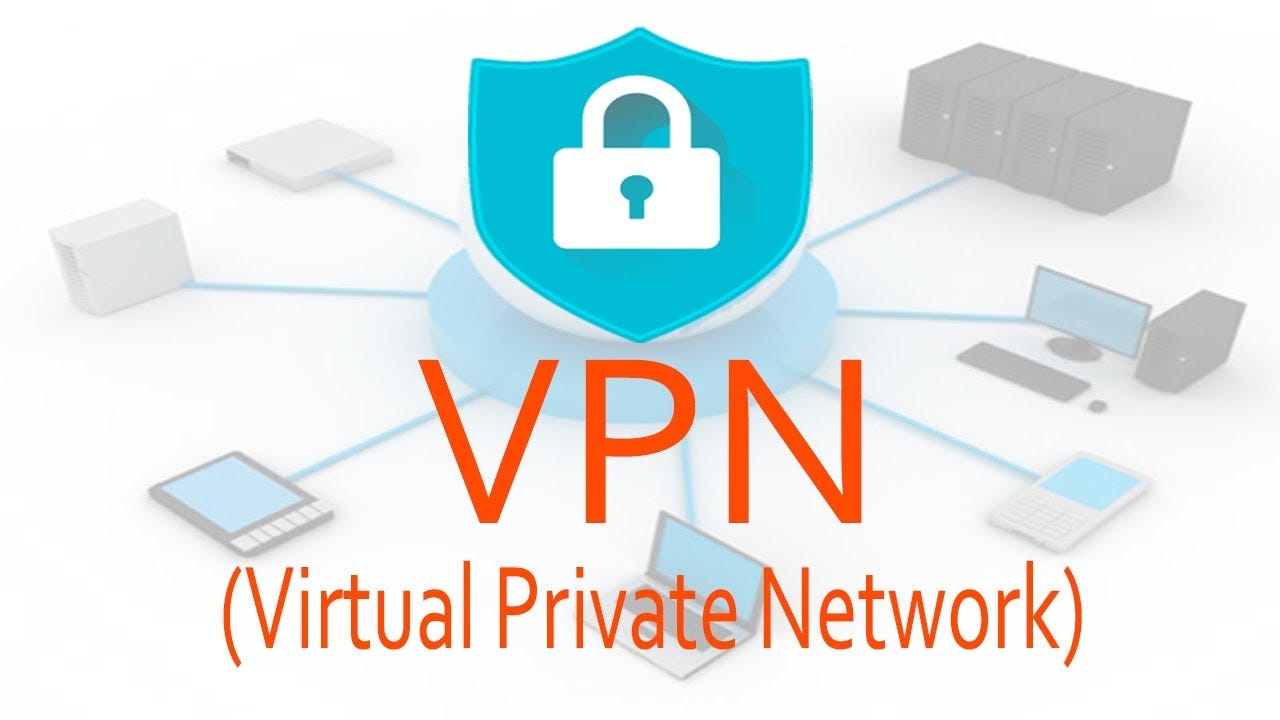
The Benefits of Using a Virtual Private Network (VPN)
In today’s digital age, online privacy and security have become more important than ever. One effective tool that individuals and businesses can use to protect their data and maintain anonymity while browsing the internet is a Virtual Private Network (VPN).
A VPN creates a secure, encrypted connection between your device and the internet. By routing your internet traffic through a remote server, VPNs help mask your IP address and encrypt your data, making it difficult for hackers, ISPs, or government agencies to track your online activities.
Here are some key benefits of using a VPN:
- Enhanced Security: VPNs encrypt your internet traffic, preventing third parties from intercepting sensitive information such as passwords, credit card details, and personal data.
- Privacy Protection: With a VPN, you can browse the web anonymously without revealing your real IP address. This helps protect your identity and location from prying eyes.
- Bypassing Geo-Restrictions: VPNs allow you to access region-locked content by connecting to servers in different countries. This is particularly useful for streaming services or websites with restricted access.
- Secure Remote Access: Businesses often use VPNs to provide employees with secure remote access to company networks and resources while working from home or traveling.
It’s important to choose a reliable VPN service provider that prioritizes privacy, has a strict no-logs policy, offers strong encryption protocols, and has servers in multiple locations worldwide.
While VPNs offer many benefits, it’s essential to remember that they are not foolproof. Users should still practice good cybersecurity habits such as using strong passwords, enabling two-factor authentication, and keeping software up to date.
Whether you’re concerned about online privacy, want to secure public Wi-Fi connections, or need to access geo-blocked content, using a VPN can provide peace of mind and enhance your online experience.
6 Essential Tips for Maximizing Your VPN Security and Privacy
- Choose a reputable VPN provider to ensure your data privacy.
- Enable the kill switch feature to prevent data leaks if the VPN connection drops.
- Use strong encryption protocols like OpenVPN or IKEv2 for better security.
- Avoid free VPN services as they may compromise your data and privacy.
- Regularly update your VPN software to patch any security vulnerabilities.
- Consider using a dedicated IP address for specific online activities that require consistent access.
Choose a reputable VPN provider to ensure your data privacy.
When using a Virtual Private Network (VPN), it is crucial to select a reputable provider to safeguard your data privacy effectively. By opting for a trusted VPN service, you can ensure that your online activities remain secure and confidential. A reputable VPN provider will offer robust encryption protocols, a strict no-logs policy, and reliable servers in various locations, giving you peace of mind while browsing the internet. Prioritizing data privacy by choosing a trustworthy VPN provider is essential in today’s digital landscape to protect sensitive information from potential threats and unauthorized access.
Enable the kill switch feature to prevent data leaks if the VPN connection drops.
Enabling the kill switch feature on your Virtual Private Network (VPN) is a crucial step to ensure your online security and privacy. In the event that your VPN connection unexpectedly drops, the kill switch immediately cuts off your internet access, preventing any data leaks or exposure of your sensitive information to potential threats. By activating this feature, you can have peace of mind knowing that your online activities remain protected even in situations where the VPN connection is disrupted.
Use strong encryption protocols like OpenVPN or IKEv2 for better security.
When using a Virtual Private Network (VPN), it is crucial to prioritize security by utilizing strong encryption protocols such as OpenVPN or IKEv2. These protocols offer advanced encryption techniques that enhance data protection and confidentiality, ensuring a secure connection between your device and the VPN server. By implementing robust encryption protocols, users can significantly reduce the risk of unauthorized access to their sensitive information while browsing the internet, ultimately enhancing their overall online security posture.
Avoid free VPN services as they may compromise your data and privacy.
When considering a Virtual Private Network (VPN) service, it is advisable to steer clear of free options as they may pose risks to your data and privacy. Free VPN services often come with limitations and may resort to selling user data to generate revenue. Additionally, these providers may lack the robust security measures and privacy protections offered by reputable paid VPN services. Investing in a trusted VPN provider ensures that your online activities remain secure and your personal information stays confidential.
Regularly update your VPN software to patch any security vulnerabilities.
Regularly updating your VPN software is a crucial step in maintaining the security and effectiveness of your Virtual Private Network. By installing the latest updates and patches, you ensure that any potential security vulnerabilities are addressed promptly, reducing the risk of cyber threats and unauthorized access to your data. Keeping your VPN software up to date not only enhances its performance but also strengthens its encryption protocols, providing you with a safer and more secure online browsing experience.
Consider using a dedicated IP address for specific online activities that require consistent access.
When using a Virtual Private Network (VPN), it can be beneficial to consider using a dedicated IP address for specific online activities that require consistent access. By assigning a dedicated IP address, you ensure that your connection remains stable and reliable for tasks such as accessing work-related resources, online banking, or remote server access. This can help prevent any interruptions or issues that may arise from sharing IP addresses with other users on the VPN network, providing a more seamless and secure online experience for your essential activities.
Tags: benefits, data leaks prevention, encryption, geo-restrictions, ikev2, kill switch feature, no-logs policy, openvpn, privacy, privacy protection, reputable provider, secure remote access, security, strong encryption protocols, virtual private network, vpn