
The Power of Agile Development in Software Engineering
Agile development has revolutionized the way software is created and delivered in the modern era. It is a methodology that emphasizes flexibility, collaboration, and continuous improvement throughout the software development process.
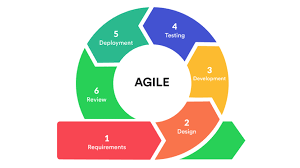
One of the key principles of agile development is its iterative approach. Instead of following a rigid plan from start to finish, agile teams work in short cycles known as sprints. This allows for regular feedback from stakeholders and enables quick adjustments to be made based on changing requirements.
Another important aspect of agile development is its focus on collaboration. Cross-functional teams work together closely, breaking down silos and promoting communication among team members. This leads to better coordination, faster decision-making, and ultimately, higher-quality software products.
Continuous improvement is also central to agile development. By regularly reflecting on their processes and outcomes, teams can identify areas for enhancement and implement changes incrementally. This leads to a culture of learning and adaptation that drives innovation and efficiency.
Agile development has gained popularity due to its ability to deliver value quickly and respond effectively to customer needs. By embracing change, fostering collaboration, and prioritizing customer satisfaction, agile teams can stay ahead in today’s fast-paced and competitive software industry.
In conclusion, agile development offers a powerful framework for software engineering that promotes adaptability, teamwork, and continuous improvement. By following agile principles, organizations can enhance their productivity, deliver better products, and stay resilient in the face of evolving market demands.
6 Essential Tips for Mastering Agile Development
- 1. Embrace change and be flexible in your approach.
- 2. Prioritize collaboration and communication within your team.
- 3. Break down tasks into smaller, manageable chunks for better efficiency.
- 4. Continuously review and adapt your processes for improvement.
- 5. Encourage a culture of transparency and accountability.
- 6. Regularly seek feedback from stakeholders to ensure alignment with expectations.
1. Embrace change and be flexible in your approach.
To succeed in agile development, it is crucial to embrace change and maintain flexibility in your approach. By being open to adapting plans and strategies based on evolving requirements and feedback, teams can respond effectively to shifting priorities and deliver valuable solutions efficiently. Embracing change fosters innovation, encourages continuous improvement, and ultimately leads to the successful delivery of high-quality software products that meet the dynamic needs of users and stakeholders.
2. Prioritize collaboration and communication within your team.
To succeed in agile development, it is crucial to prioritize collaboration and communication within your team. By fostering open communication channels and encouraging teamwork, you can ensure that all team members are aligned towards a common goal. Collaboration allows for the sharing of ideas, feedback, and expertise, leading to innovative solutions and better decision-making. Effective communication helps in resolving conflicts, clarifying expectations, and keeping everyone informed about project progress. By emphasizing collaboration and communication, agile teams can work cohesively towards delivering high-quality software products efficiently and effectively.
3. Break down tasks into smaller, manageable chunks for better efficiency.
Breaking down tasks into smaller, manageable chunks is a crucial tip in agile development that can significantly improve efficiency and productivity. By dividing complex tasks into smaller, more manageable pieces, teams can focus on incremental progress, maintain a clear direction, and easily track their achievements. This approach not only helps in better time management but also enhances collaboration among team members as they can work on smaller tasks more effectively. Ultimately, breaking down tasks into smaller chunks allows for greater flexibility, adaptability, and success in achieving project goals within the agile development framework.
4. Continuously review and adapt your processes for improvement.
In agile development, it is crucial to continuously review and adapt your processes for improvement. By regularly assessing how tasks are being carried out and identifying areas for enhancement, teams can optimize their workflow and increase efficiency. This commitment to ongoing evaluation and adjustment ensures that the team remains agile and responsive to changing requirements, ultimately leading to higher productivity and better outcomes in software development projects.
5. Encourage a culture of transparency and accountability.
Encouraging a culture of transparency and accountability is a crucial tip in agile development. By promoting open communication and clear visibility into project progress, team members can collaborate more effectively and make informed decisions. Transparency fosters trust among team members and stakeholders, while accountability ensures that everyone takes ownership of their responsibilities and commitments. This culture not only enhances teamwork but also drives continuous improvement and helps teams deliver high-quality software products efficiently.
6. Regularly seek feedback from stakeholders to ensure alignment with expectations.
Regularly seeking feedback from stakeholders is a crucial tip in agile development to ensure alignment with expectations. By engaging with stakeholders throughout the software development process, teams can gather valuable insights, address concerns, and make necessary adjustments promptly. This proactive approach not only helps in meeting stakeholder requirements but also fosters collaboration and transparency, ultimately leading to the successful delivery of software products that meet or exceed expectations.
Tags: adaptation, adjustments, agile development, collaboration, communication, continuous improvement, coordination, cross-functional teams, decision-making, enhancement, feedback, flexibility, incremental changes, iterative approach, learning culture, outcomes, processes, quality software products, software engineering, sprints, stakeholders