
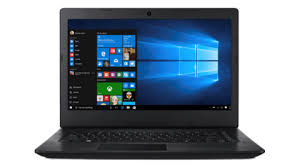
The Evolution and Importance of Laptop Computers
Laptop computers have become an integral part of our daily lives, offering the perfect blend of portability and performance. From students to professionals, laptops cater to a wide range of users with varying needs. This article explores the evolution of laptop computers, their key features, and why they remain essential in today’s digital age.
A Brief History
The concept of portable computing dates back to the 1970s, but it wasn’t until the early 1980s that laptops began to take shape. The first commercially successful laptop was the Osborne 1, released in 1981. Although bulky by today’s standards, it paved the way for more compact designs.
Throughout the 1990s and early 2000s, laptops underwent significant transformations with improvements in processing power, battery life, and design aesthetics. The introduction of Wi-Fi technology further enhanced their appeal by enabling wireless connectivity.
Key Features of Modern Laptops
- Portability: Lightweight designs make it easy to carry laptops anywhere.
- Performance: Equipped with powerful processors and ample RAM for multitasking.
- Battery Life: Extended battery life allows for prolonged use without frequent charging.
- Connectivity: Multiple ports and wireless options ensure seamless connections.
- User-Friendly Interfaces: Intuitive operating systems enhance user experience.
The Importance of Laptops Today
Laptops play a crucial role in various sectors:
- Education: Students rely on laptops for research, assignments, and virtual classes.
- Business: Professionals use laptops for presentations, data analysis, and remote work.
- Creative Industries: Designers and artists utilize powerful graphics capabilities for creative projects.
- Personal Use: From streaming media to gaming, laptops serve as versatile entertainment hubs.
The Future of Laptops
Laptop technology continues to evolve with advancements such as foldable screens, enhanced AI integration, and improved energy efficiency. As our reliance on technology grows, so does the importance of having a reliable laptop that meets our ever-changing needs.
Laptops will likely remain a staple in both professional settings and personal life due to their adaptability and continuous innovation. Whether you’re working from home or attending a virtual class halfway across the world, laptops provide the tools necessary to stay connected and productive.
Conclusion
Laptop computers have come a long way since their inception. They have transformed from bulky machines into sleek devices that fit seamlessly into our modern lifestyles. As technology advances further, laptops will continue to be indispensable tools that empower us in countless ways every day.
9 Advantages of Laptop Computers: Portability, Versatility, and More
- Portability for on-the-go use
- Versatility in functionality for various tasks
- Compact design saves space compared to desktop computers
- Wireless connectivity options for convenience
- Battery-powered, allowing usage without constant charging
- Built-in webcam and microphone for video conferencing
- Easy to set up and start using immediately
- Wide range of price points to suit different budgets
- Ability to customize hardware and software based on user preferences
7 Drawbacks of Laptop Computers: What to Consider Before Buying
- Limited Upgrade Options
- Higher Cost
- Overheating Issues
- Limited Repairability
- Smaller Screen Size
- Shorter Lifespan
- Less Ergonomic Design
Portability for on-the-go use
The portability of laptop computers allows users to stay productive and connected while on the move. Whether working from a coffee shop, traveling for business, or attending classes on campus, the ability to carry a laptop provides flexibility and convenience. With lightweight designs and long-lasting battery life, laptops enable users to access their files, applications, and the internet from virtually anywhere, making them essential tools for those with dynamic lifestyles.
Versatility in functionality for various tasks
Laptop computers offer a remarkable level of versatility in functionality, making them ideal for a wide range of tasks. Whether you need to work on spreadsheets, edit photos, stream videos, or even play games, laptops provide the flexibility to switch between different applications seamlessly. Their ability to adapt to diverse needs and tasks makes them indispensable tools for professionals, students, creatives, and casual users alike. With the power and portability of laptops, users can tackle a multitude of activities efficiently and conveniently without the limitations of traditional desktop setups.
Compact design saves space compared to desktop computers
The compact design of laptop computers offers a significant advantage by saving valuable space in comparison to traditional desktop computers. This feature is particularly beneficial for users with limited workspace or those who require mobility. Laptops allow for efficient utilization of space without compromising on performance, making them a versatile and practical choice for individuals seeking convenience and portability in their computing devices.
Wireless connectivity options for convenience
Laptop computers offer a significant advantage with their wireless connectivity options, providing unparalleled convenience to users. With built-in Wi-Fi capabilities and Bluetooth technology, laptops allow seamless access to the internet and effortless connection to other devices without the hassle of cords or cables. This feature enables users to stay connected on-the-go, work in flexible environments, and easily share data with compatible devices, enhancing productivity and efficiency in various tasks.
Battery-powered, allowing usage without constant charging
One of the key advantages of laptop computers is their battery-powered design, which enables users to work, study, or enjoy entertainment without the need for constant charging. This portability feature allows individuals to use their laptops in various settings, whether it’s in a coffee shop, on a plane, or during a meeting, without being tethered to a power outlet. The ability to operate untethered gives users the freedom and flexibility to stay productive or entertained on the go, making laptops an essential tool for modern lifestyles.
Built-in webcam and microphone for video conferencing
Laptop computers offer the convenience of built-in webcams and microphones, making them ideal for video conferencing and virtual meetings. This feature eliminates the need for external devices, allowing users to easily connect with colleagues, friends, and family members from anywhere with just a few clicks. The integrated webcam and microphone ensure clear audio and video quality, enhancing communication and collaboration in today’s digital world.
Easy to set up and start using immediately
One of the key advantages of laptop computers is their ease of setup and immediate usability. Unlike desktop computers that may require assembly and cable connections, laptops are ready to use right out of the box. Simply power on the laptop, follow a few setup prompts, and you’re ready to start browsing the web, checking emails, or working on projects without any delay. This convenience makes laptops ideal for users who value simplicity and efficiency in getting up and running quickly with their computing tasks.
Wide range of price points to suit different budgets
Laptop computers offer a significant advantage in their wide range of price points, catering to individuals with varying budgets. Whether you are a student looking for an affordable option or a professional seeking high-end features, there is a laptop available to meet your financial constraints. This flexibility ensures that everyone, regardless of their budget limitations, can access the benefits of portable computing and find a device that suits their needs without compromising on quality or performance.
Ability to customize hardware and software based on user preferences
The ability to customize hardware and software based on user preferences is a significant advantage of laptop computers. Unlike many other devices, laptops offer users the flexibility to tailor their computing experience to meet their specific needs and preferences. Whether it’s upgrading RAM for improved performance, installing specialized software for specific tasks, or personalizing the user interface, the customizable nature of laptops allows users to create a personalized computing environment that enhances productivity and efficiency. This level of customization empowers users to optimize their laptop to suit their unique requirements, making it a versatile tool for a wide range of tasks and applications.
Limited Upgrade Options
One significant drawback of laptop computers is their limited upgrade options for components such as RAM and storage. Unlike desktop computers that often allow users to easily swap out and upgrade these components, many laptops are designed with sealed enclosures that restrict user access to internal parts. This limitation can lead to potential obsolescence as users may find it challenging or even impossible to enhance the performance of their laptops over time. As technology advances and software requirements increase, the inability to upgrade essential components can hinder the longevity and usability of laptops, making them less adaptable to evolving needs.
Higher Cost
One significant drawback of laptop computers is their higher cost compared to desktop computers with equivalent specifications. The compact design and portability of laptops often come at a premium price, making them a more expensive investment for users seeking comparable performance to desktop setups. This higher cost can be a limiting factor for budget-conscious consumers or those looking to maximize their computing power without breaking the bank.
Overheating Issues
Overheating issues pose a significant con for laptop computers, particularly when engaging in demanding tasks. The heat generated during intensive use can lead to performance throttling, system instability, and potential hardware damage over time. Continuous exposure to high temperatures may also shorten the lifespan of components such as the processor and battery. Managing thermal issues through proper ventilation, cooling pads, and regular maintenance becomes crucial to mitigate the negative impact of overheating on both the immediate performance and long-term durability of laptops.
Limited Repairability
One significant downside of laptop computers is their limited repairability. Unlike desktops, laptops are often more challenging to repair due to their compact design and integrated components. The tightly packed nature of laptops makes it difficult for users or technicians to access and replace individual parts, leading to higher repair costs and sometimes rendering the entire device unusable if a critical component fails. This lack of repairability can be frustrating for users who prefer a more DIY approach or value the longevity of their devices.
Smaller Screen Size
The con of smaller screen size in laptop computers can pose challenges for users who require a larger display for enhanced productivity and visual comfort. Compared to desktop monitors, laptops offer a more compact screen, potentially leading to eye strain and a less immersive viewing experience. Multitasking and working on intricate tasks may be hindered by the limited screen real estate, making it necessary for users to adapt their workflow or invest in external monitors for improved efficiency.
Shorter Lifespan
One significant drawback of laptop computers is their shorter lifespan compared to desktops. This limitation stems from various factors, including battery degradation over time and limited upgrade options. Unlike desktops, where individual components can be easily replaced or upgraded, laptops often have sealed designs that restrict user access to internal hardware. As a result, users may find themselves needing to replace their laptops more frequently, leading to increased costs and potential environmental impact from electronic waste disposal.
Less Ergonomic Design
One significant drawback of laptop computers is their less ergonomic design, which can result in discomfort and strain when used for extended periods. The fixed keyboard position and screen height of laptops often force users into unnatural postures, leading to issues such as neck pain, wrist strain, and back problems. Without the flexibility to adjust the keyboard and screen to suit individual preferences, users may experience physical discomfort that can impact their productivity and overall well-being. It is essential for users to be mindful of ergonomics and take regular breaks to minimize the negative effects of prolonged laptop use on their health.
Tags: battery life, business, connectivity, creative industries, education, evolution, future of laptops, importance, laptop computers, performance, personal use, portability, user-friendly interfaces, versatility in functionality