
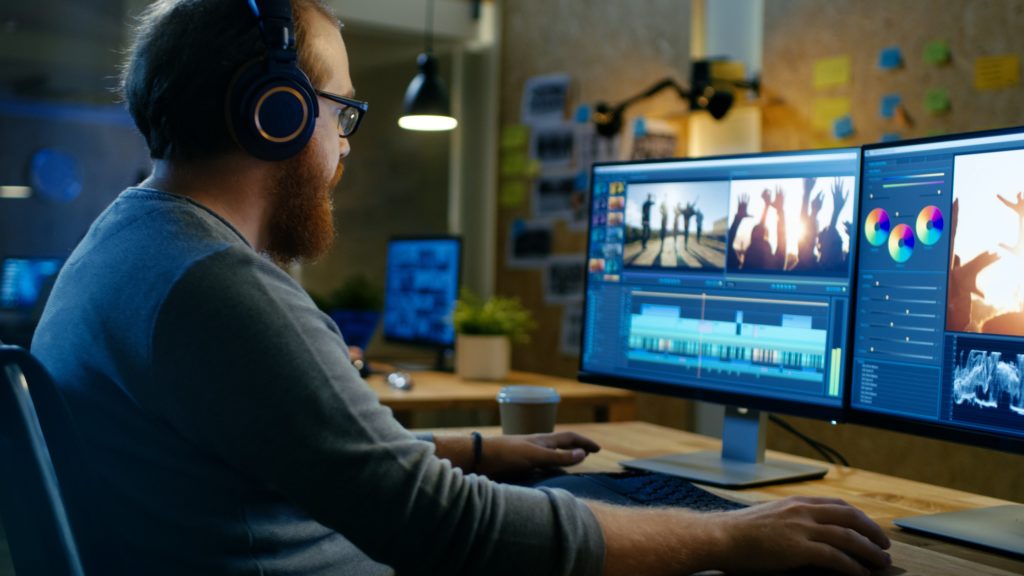
The Power of VFX Software in Modern Filmmaking
Visual Effects (VFX) software has revolutionized the way filmmakers bring their creative visions to life on the big screen. From fantastical creatures to breathtaking environments, VFX software plays a crucial role in shaping the visual aesthetics of modern cinema.
One of the key advantages of VFX software is its ability to seamlessly blend real-life footage with computer-generated imagery (CGI). This allows filmmakers to create stunning visual effects that were once thought impossible, pushing the boundaries of storytelling and immersing audiences in captivating worlds.
With advancements in technology, VFX software has become more powerful and versatile than ever before. From industry-standard tools like Adobe After Effects and Autodesk Maya to specialized software such as Nuke and Houdini, filmmakers have a wide range of options to choose from based on their specific needs and creative goals.
Not only does VFX software enable filmmakers to enhance the visual quality of their films, but it also provides them with greater flexibility and control during the post-production process. Whether it’s creating realistic simulations, adding digital enhancements, or compositing multiple layers of imagery, VFX software empowers filmmakers to transform their ideas into cinematic masterpieces.
Furthermore, VFX software has opened up new possibilities for independent filmmakers and content creators looking to produce high-quality visuals on a limited budget. With access to affordable yet powerful VFX tools, aspiring filmmakers can now compete with major studios and deliver professional-grade effects that captivate audiences worldwide.
In conclusion, VFX software continues to play a vital role in shaping the landscape of modern filmmaking. Its ability to push creative boundaries, enhance visual storytelling, and democratize access to advanced visual effects has made it an indispensable tool for filmmakers across the globe.
Understanding VFX Software: A Guide to Choosing, Using, and Learning for Filmmaking
- What is VFX software and how is it used in filmmaking?
- What are some popular VFX software programs used by professionals?
- How does VFX software enhance the visual effects in movies and TV shows?
- Can beginners learn to use VFX software, or is it only for experienced professionals?
- Are there free or affordable options available for those interested in trying out VFX software?
- What are the key differences between various VFX software programs, and how do filmmakers choose the right one for their projects?
What is VFX software and how is it used in filmmaking?
VFX software, short for Visual Effects software, is a powerful tool used in filmmaking to create and manipulate visual effects that enhance the overall cinematic experience. It allows filmmakers to seamlessly blend real-life footage with computer-generated imagery (CGI) to bring imaginative worlds, fantastical creatures, and breathtaking environments to life on the screen. VFX software enables filmmakers to add digital enhancements, create realistic simulations, composite multiple layers of imagery, and achieve visual effects that were once considered impossible. By harnessing the capabilities of VFX software, filmmakers can elevate their storytelling, immerse audiences in captivating visuals, and push the boundaries of creativity in modern cinema.
What are some popular VFX software programs used by professionals?
When it comes to VFX software programs used by professionals in the industry, several popular options stand out for their robust features and versatility. Leading the pack is Autodesk Maya, known for its comprehensive toolset and flexibility in creating complex 3D animations and visual effects. Another widely used software is Adobe After Effects, favored for its user-friendly interface and powerful compositing capabilities. Additionally, Foundry’s Nuke is highly regarded for its advanced node-based workflow, making it a top choice for high-end compositing tasks in film and television production. These software programs, among others like Houdini, Cinema 4D, and Unreal Engine, continue to be go-to tools for VFX professionals seeking to elevate their craft and bring imaginative worlds to life on screen.
How does VFX software enhance the visual effects in movies and TV shows?
VFX software plays a pivotal role in enhancing the visual effects seen in movies and TV shows by providing filmmakers with a powerful set of tools to create stunning and realistic imagery. Through the use of VFX software, filmmakers can seamlessly integrate CGI elements into live-action footage, allowing them to bring fantastical creatures, futuristic worlds, and larger-than-life scenarios to life on screen. Additionally, VFX software enables artists to manipulate and enhance existing footage, add dynamic effects such as explosions or weather phenomena, and create intricate details that would be challenging or impossible to achieve through practical means. The versatility and precision of VFX software empower filmmakers to push the boundaries of visual storytelling, immersing audiences in captivating worlds that spark imagination and wonder.
Can beginners learn to use VFX software, or is it only for experienced professionals?
The question of whether beginners can learn to use VFX software or if it’s exclusively for experienced professionals is a common one in the realm of visual effects. The truth is that while VFX software may seem daunting at first glance, it is indeed accessible to beginners willing to invest time and effort in learning. With the abundance of online tutorials, courses, and resources available, aspiring VFX enthusiasts can gradually build their skills and knowledge from the ground up. Starting with simpler tasks and gradually progressing to more complex techniques, beginners can gain proficiency in using VFX software and eventually unlock its full creative potential. Patience, practice, and a willingness to learn are key ingredients for beginners embarking on their journey into the world of visual effects.
Are there free or affordable options available for those interested in trying out VFX software?
For those interested in exploring VFX software without breaking the bank, there are indeed free and affordable options available in the market. Many software companies offer trial versions or limited-feature editions of their VFX tools for users to test out before committing to a purchase. Additionally, there are open-source VFX software options that provide powerful capabilities at no cost, making it accessible to beginners and enthusiasts looking to hone their skills without a hefty investment. By leveraging these free or affordable alternatives, aspiring visual effects artists can delve into the world of VFX software and unleash their creativity without financial barriers.
What are the key differences between various VFX software programs, and how do filmmakers choose the right one for their projects?
When comparing various VFX software programs, filmmakers often consider factors such as features, compatibility, ease of use, and cost. Each VFX software has its strengths and specialties, whether it’s robust 3D modeling capabilities, advanced compositing tools, or specialized effects simulations. Filmmakers assess their project requirements, skill level, and budget to determine the best fit. Some may prioritize industry-standard software like Adobe After Effects for its versatility and widespread adoption, while others may opt for more specialized tools like Blender or Cinema 4D for specific visual effects needs. Ultimately, the choice of VFX software depends on a filmmaker’s unique project goals and technical preferences.
Tags: cgi, cinematic experience, cinematic masterpieces, computer-generated imagery, enhance visual quality, filmmakers, filmmaking, high-quality visuals, independent filmmakers, post-production process, real-life footage, storytelling, vfx software, visual effects, visual effects software