
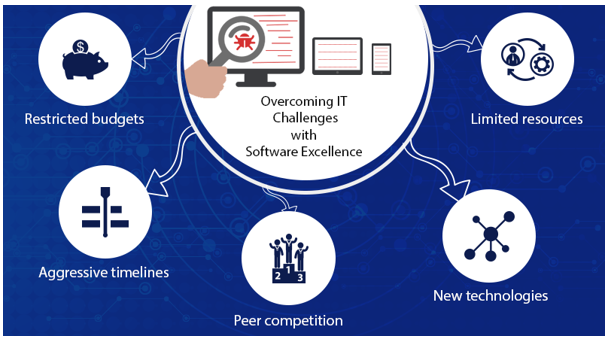
The Importance of Software Quality Assurance
Software quality assurance (SQA) plays a crucial role in the development process of any software application. It encompasses a set of systematic activities that ensure the software meets specified requirements and is free from defects.
Key Components of Software Quality Assurance:
- Testing: Testing is a fundamental aspect of SQA. It involves running the software to identify bugs, errors, and other issues that may affect its performance.
- Code Reviews: Code reviews help in identifying potential problems in the codebase early on, ensuring better code quality and maintainability.
- Documentation: Proper documentation ensures that developers and stakeholders have clear guidelines on how the software should function and be maintained.
- Process Improvement: SQA also focuses on continuously improving development processes to enhance efficiency and reduce risks.
The Benefits of Implementing Software Quality Assurance:
By incorporating SQA practices into the software development lifecycle, organizations can achieve several benefits, including:
- Enhanced Product Quality: SQA helps in delivering high-quality software products that meet user expectations and requirements.
- Cost Savings: Detecting and fixing defects early in the development process can significantly reduce costs associated with rework and maintenance.
- Customer Satisfaction: High-quality software leads to increased customer satisfaction and loyalty, ultimately driving business success.
- Risk Mitigation: SQA helps in identifying potential risks early on, allowing for proactive measures to mitigate them before they impact the project.
In Conclusion
In today’s competitive market, software quality assurance is essential for ensuring the success of software projects. By implementing robust SQA practices, organizations can deliver reliable, high-performing software that meets user needs while minimizing risks and costs associated with defects. Embracing SQA as a core part of the development process can lead to improved product quality, customer satisfaction, and overall business outcomes.
Understanding Software Quality Assurance: Key Questions and Insights
- What is software quality assurance (SQA)?
- Why is software quality assurance important in software development?
- What are the key components of software quality assurance?
- How does software quality assurance differ from software testing?
- What are the benefits of implementing software quality assurance?
- How can organizations improve their SQA processes?
- What role does automation play in software quality assurance?
- How does SQA contribute to overall project success?
- What are common challenges faced in implementing software quality assurance?
What is software quality assurance (SQA)?
Software quality assurance (SQA) is a systematic process that ensures software products meet specified requirements and standards. It involves a set of activities aimed at preventing defects, verifying and validating software functionality, and improving development processes. SQA encompasses various practices such as testing, code reviews, documentation, and process improvement to enhance the quality of software throughout its lifecycle. By implementing SQA practices, organizations can deliver high-quality software that meets user expectations, reduces risks, and ultimately leads to increased customer satisfaction and business success.
Why is software quality assurance important in software development?
Software quality assurance is paramount in software development for several key reasons. Firstly, it helps to ensure that the software meets the specified requirements and functions as intended, ultimately leading to a product that satisfies user needs. By implementing rigorous testing and quality control measures, software quality assurance helps in identifying and rectifying defects early in the development process, reducing the likelihood of costly rework and post-release issues. Moreover, a robust SQA process enhances overall product quality, boosts customer satisfaction, and instills confidence in the reliability and performance of the software. In essence, software quality assurance is indispensable for delivering high-quality software that meets user expectations while minimizing risks and ensuring successful project outcomes.
What are the key components of software quality assurance?
One of the most frequently asked questions in the realm of software quality assurance is centered around the key components that comprise this essential practice. The key components of software quality assurance encompass a range of systematic activities crucial to ensuring the quality and reliability of software products. These components include rigorous testing processes to identify and rectify defects, thorough code reviews to maintain code integrity, comprehensive documentation to guide development and maintenance, and a focus on continuous process improvement to enhance efficiency and reduce risks throughout the software development lifecycle. By understanding and implementing these key components effectively, organizations can elevate the quality of their software products, enhance customer satisfaction, and drive overall project success.
How does software quality assurance differ from software testing?
Software quality assurance (SQA) and software testing are two distinct yet interconnected aspects of the software development process. While software testing focuses on identifying defects and errors in the software through various testing techniques, SQA encompasses a broader scope of activities aimed at ensuring that the entire development process adheres to quality standards and best practices. SQA involves establishing processes, standards, and guidelines to prevent defects from occurring in the first place, whereas software testing is more about detecting and fixing defects post-development. In essence, SQA is proactive and preventive in nature, while software testing is reactive and corrective. Both SQA and software testing are essential components of ensuring the overall quality of a software product, working hand in hand to deliver reliable and high-performing applications to end-users.
What are the benefits of implementing software quality assurance?
Implementing software quality assurance (SQA) offers a multitude of benefits to organizations and software development teams. By incorporating SQA practices into the development process, companies can ensure the delivery of high-quality software products that meet user requirements and expectations. SQA helps in reducing costs associated with rework and maintenance by detecting and fixing defects early on. Moreover, it enhances customer satisfaction and loyalty by delivering reliable software solutions. Additionally, SQA enables organizations to proactively identify and mitigate risks, leading to smoother project execution and improved overall business outcomes.
How can organizations improve their SQA processes?
Organizations can improve their Software Quality Assurance (SQA) processes by implementing several key strategies. Firstly, establishing clear quality standards and guidelines is essential to ensure consistency and alignment across all projects. Regular training and upskilling of team members in SQA best practices can enhance their expertise and contribute to a culture of quality within the organization. Additionally, incorporating automated testing tools and continuous integration practices can streamline the testing process and identify defects early on. Collaboration between development, testing, and business teams is crucial for effective communication and alignment on quality goals. Continuous monitoring, feedback collection, and process improvement initiatives help organizations adapt to changing requirements and enhance the overall effectiveness of their SQA processes.
What role does automation play in software quality assurance?
Automation plays a pivotal role in software quality assurance by streamlining and enhancing the testing process. Automated testing tools and frameworks enable QA teams to execute test cases, perform regression testing, and simulate user interactions efficiently and consistently. By automating repetitive tasks, such as running test scripts and generating reports, QA professionals can focus on more strategic aspects of testing, such as identifying critical defects and improving test coverage. Automation helps accelerate the testing cycle, improve test accuracy, and reduce human errors, ultimately leading to higher software quality and faster time-to-market for applications.
How does SQA contribute to overall project success?
Software Quality Assurance (SQA) plays a vital role in contributing to the overall success of a project by ensuring that the software meets specified requirements, functions as intended, and is free from defects. By implementing rigorous testing, code reviews, and process improvement practices, SQA helps in delivering high-quality software products that meet user expectations. This leads to enhanced customer satisfaction, reduced risks of failure or rework, and ultimately contributes to the project’s success by ensuring timely delivery of a reliable and efficient software solution. SQA also helps in cost savings by identifying and addressing issues early in the development process, thereby minimizing expenses associated with fixing defects later on. Overall, SQA acts as a cornerstone for project success by fostering quality, reliability, and customer satisfaction throughout the software development lifecycle.
What are common challenges faced in implementing software quality assurance?
One common challenge faced in implementing software quality assurance is the lack of adequate resources, including time, budget, and skilled personnel. Organizations often struggle to allocate sufficient resources to carry out comprehensive testing and quality assurance activities, leading to potential gaps in the software’s quality. Additionally, resistance to change within the organization and a lack of buy-in from stakeholders can hinder the successful implementation of SQA practices. Overcoming these challenges requires a proactive approach, clear communication, and a commitment to investing in the necessary resources and training to ensure effective software quality assurance processes are in place.
Tags: business success, code reviews, documentation, enhance quality of software, high-quality software products, improving development processes, increased customer satisfaction, lifecycle, preventing defects, process improvement, reduces risks, software quality assurance, specified requirements, sqa, standards, systematic process, testing, user expectations, validating software functionality, verifying