
The Benefits of Implementing a Ticketing System
In today’s fast-paced business environment, efficient communication and streamlined processes are essential for success. One tool that can greatly improve organizational efficiency is a ticketing system.
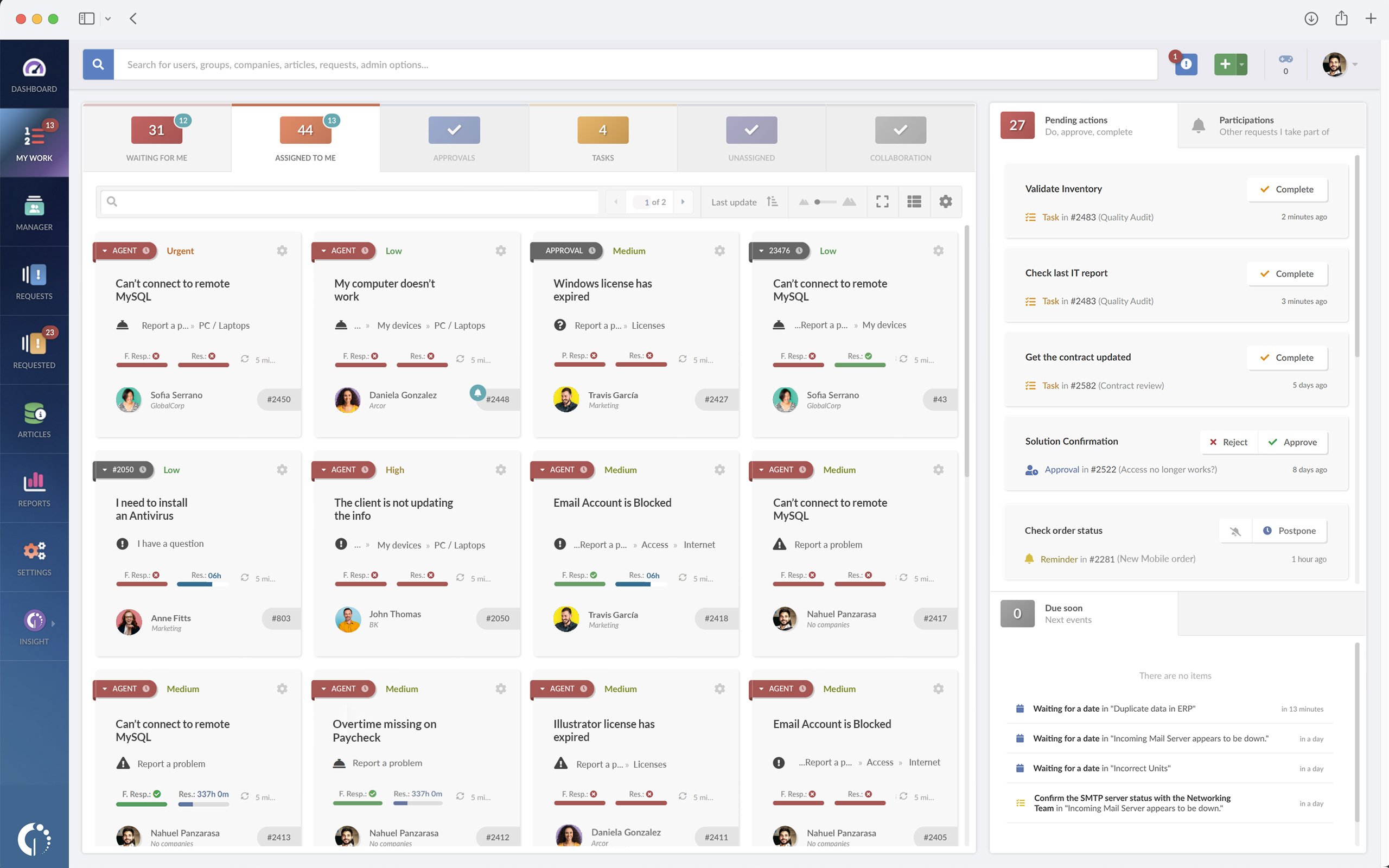
A ticketing system is a software solution that helps businesses manage and track customer inquiries, technical issues, and internal requests in a structured and organized manner. By implementing a ticketing system, companies can benefit in several ways:
- Centralized Communication: A ticketing system provides a centralized platform for all communication, ensuring that no customer query or internal request falls through the cracks. This helps in providing timely responses and resolutions.
- Improved Efficiency: With automated workflows and predefined processes, a ticketing system can help streamline tasks and ensure that requests are handled promptly. This leads to increased productivity and faster resolution times.
- Enhanced Customer Satisfaction: By providing quick responses and resolutions to customer inquiries, businesses can enhance customer satisfaction levels. A ticketing system allows for tracking the status of each request, keeping customers informed throughout the process.
- Data Analysis: Ticketing systems capture valuable data on customer interactions and issue resolutions. Businesses can analyze this data to identify trends, areas for improvement, and measure performance metrics.
- Scalability: As businesses grow, the volume of requests also increases. A ticketing system is scalable and can adapt to changing needs, making it suitable for both small businesses and large enterprises.
- Cost-Effective Solution: By automating processes and improving efficiency, a ticketing system can help reduce operational costs associated with manual handling of requests. It also allows businesses to allocate resources more effectively.
- Audit Trail: Ticketing systems maintain an audit trail of all interactions and actions taken on each request. This provides transparency and accountability within the organization.
In conclusion, implementing a ticketing system offers numerous benefits for businesses looking to enhance their communication channels, improve efficiency, boost customer satisfaction, and streamline operations. Investing in a reliable ticketing system can be a strategic decision that pays off in the long run.
Essential FAQs About Ticketing Systems: Understanding Features, Benefits, and Integration
- What is a ticketing system?
- How does a ticketing system work?
- What are the benefits of using a ticketing system?
- What features should I look for in a ticketing system?
- How can a ticketing system improve customer service?
- Is it easy to integrate a ticketing system with other software applications?
- Can a ticketing system help track and prioritize tasks within an organization?
- What security measures are typically implemented in a ticketing system to protect sensitive data?
- How scalable is a ticketing system for businesses of different sizes?
What is a ticketing system?
A ticketing system is a software tool designed to manage and track various types of requests, such as customer inquiries, technical issues, and internal tasks, in a structured and organized manner. It acts as a centralized platform for capturing, prioritizing, and resolving these requests efficiently. By assigning each request a unique “ticket,” the system helps streamline communication, ensure accountability, and provide visibility into the status of each issue. In essence, a ticketing system serves as a valuable solution for businesses to effectively handle incoming queries and manage workflow processes with clarity and efficiency.
How does a ticketing system work?
A ticketing system works by providing a structured process for handling and resolving customer inquiries, technical issues, and internal requests. When a user submits a ticket through the system, it is assigned a unique identifier and categorized based on its type and priority. The ticket then follows a predefined workflow, moving through different stages such as triage, assignment to the appropriate team or individual, investigation, resolution, and closure. Throughout this process, the ticketing system tracks the status of each ticket, records all interactions and actions taken, and notifies stakeholders of updates or changes. By centralizing communication, automating workflows, and maintaining a clear audit trail, a ticketing system ensures that requests are handled efficiently and effectively to provide timely resolutions and excellent customer service.
What are the benefits of using a ticketing system?
One of the frequently asked questions about ticketing systems is, “What are the benefits of using a ticketing system?” Ticketing systems offer numerous advantages for businesses, including centralized communication to ensure no request is overlooked, improved efficiency through automated workflows and streamlined processes, enhanced customer satisfaction by providing timely responses and resolutions, valuable data analysis capabilities for performance measurement and improvement, scalability to accommodate growing needs, cost-effectiveness by reducing manual handling costs, and maintaining an audit trail for transparency and accountability. Implementing a ticketing system can significantly enhance organizational productivity and customer service levels.
What features should I look for in a ticketing system?
When considering a ticketing system, it is essential to look for key features that align with your organization’s needs and goals. Some important features to consider include robust ticket management capabilities for tracking and prioritizing requests, automation tools to streamline workflows and improve efficiency, customizable reporting and analytics to monitor performance metrics, integration options with other tools and platforms for seamless communication, a user-friendly interface for easy navigation and use, scalability to accommodate growth, and reliable customer support for any technical assistance needed. By evaluating these features, you can choose a ticketing system that best fits your requirements and enhances your operational effectiveness.
How can a ticketing system improve customer service?
A ticketing system can significantly enhance customer service by providing a structured and efficient way to manage customer inquiries and issues. By centralizing communication channels, a ticketing system ensures that every customer query is captured, tracked, and addressed in a timely manner. This leads to quicker response times, improved resolution rates, and increased customer satisfaction. Additionally, the data collected through the ticketing system allows businesses to analyze trends, identify areas for improvement, and measure performance metrics, ultimately leading to a more personalized and effective customer service experience. Overall, implementing a ticketing system can streamline processes, boost productivity, and foster better relationships with customers by delivering prompt and consistent support.
Is it easy to integrate a ticketing system with other software applications?
Integrating a ticketing system with other software applications is a common concern for businesses seeking seamless operations. The ease of integration largely depends on the flexibility and compatibility of the ticketing system with various platforms and APIs. Many modern ticketing systems offer robust integration capabilities, allowing for smooth connections with popular tools such as CRM systems, project management software, communication platforms, and more. With proper configuration and support from the ticketing system provider, businesses can achieve efficient data flow and automation between different applications, ultimately enhancing workflow efficiency and customer service.
Can a ticketing system help track and prioritize tasks within an organization?
A ticketing system can indeed help track and prioritize tasks within an organization effectively. By centralizing all incoming requests, whether they are customer inquiries, technical issues, or internal requests, a ticketing system provides a structured way to manage and assign tasks. Each task is logged as a ticket with relevant details such as priority level, status, deadline, and assigned personnel. This allows organizations to track the progress of each task, allocate resources efficiently based on priority levels, and ensure that critical issues are addressed promptly. The ability to set priorities and deadlines within the ticketing system enables teams to focus on high-priority tasks first, leading to improved productivity and streamlined task management processes across the organization.
What security measures are typically implemented in a ticketing system to protect sensitive data?
Security is a paramount concern in ticketing systems to safeguard sensitive data from unauthorized access and breaches. Typically, robust security measures are implemented to protect this information. Encryption techniques are commonly used to secure data both in transit and at rest, ensuring that it remains confidential and tamper-proof. Access controls, such as role-based permissions and multi-factor authentication, help restrict access to sensitive data only to authorized personnel. Regular security audits, monitoring tools, and intrusion detection systems are also employed to detect and prevent any potential security threats. By implementing these security measures, ticketing systems can maintain the integrity and confidentiality of sensitive data, instilling trust and confidence among users.
How scalable is a ticketing system for businesses of different sizes?
The scalability of a ticketing system is a crucial factor for businesses of varying sizes. A well-designed ticketing system can adapt to the changing needs and growing demands of both small businesses and large enterprises. It offers flexibility in handling increasing volumes of requests without compromising efficiency or performance. Whether a business is just starting out or has an established customer base, a scalable ticketing system ensures that it can seamlessly grow alongside the organization, making it a valuable investment for businesses looking to expand their operations while maintaining optimal customer support standards.
Tags: automated workflows, businesses, centralized communication, customer inquiries, data analysis, efficient communication, enhanced customer satisfaction, faster resolution times, improved efficiency, increased productivity, internal requests, issue resolutions, manage, predefined processes, quick responses, resolutions, software solution, streamlined processes, technical issues, timely responses, track, tracking status, trends identification