
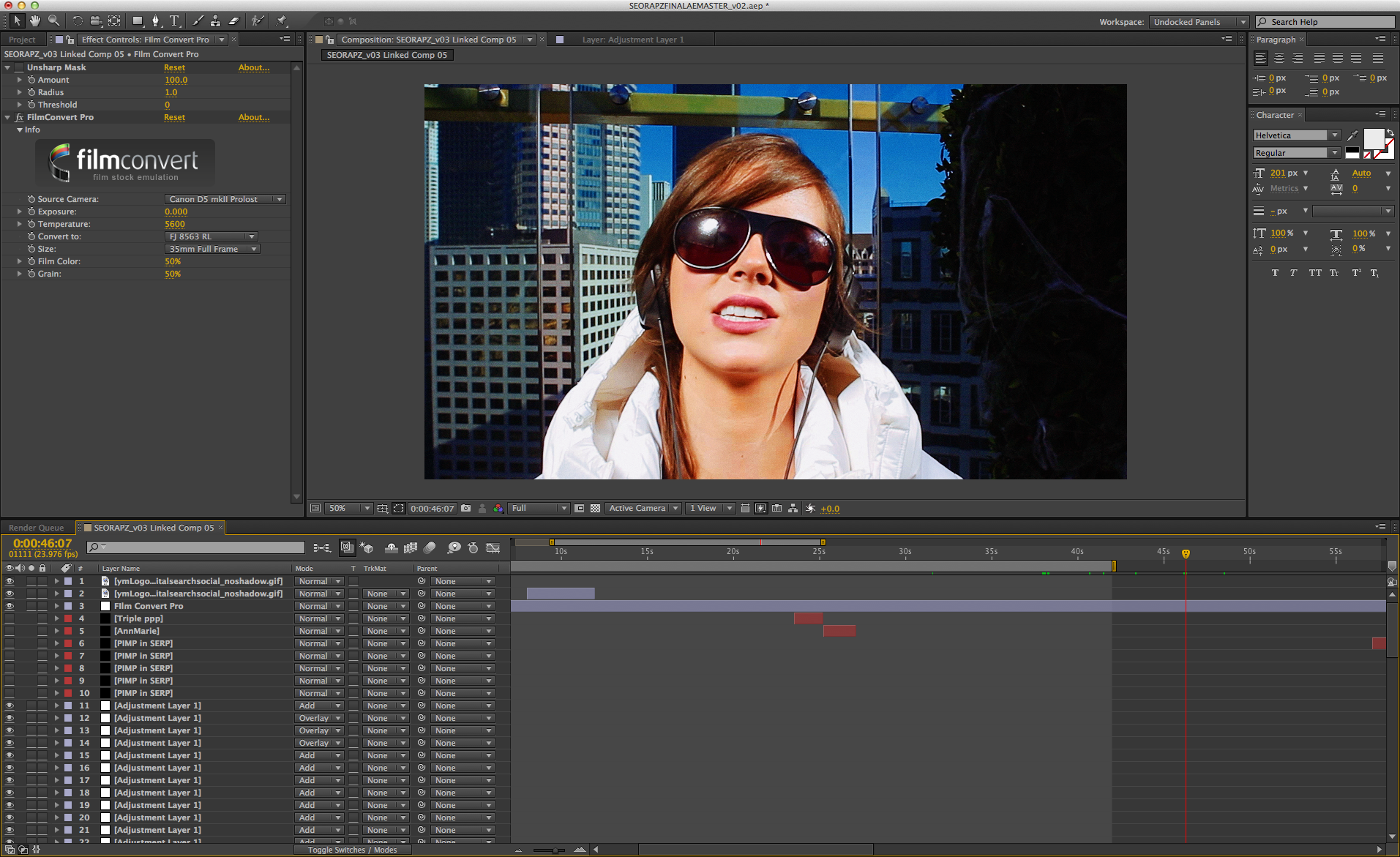
The Power of Music Editing Software
Music editing software has revolutionized the way musicians, producers, and enthusiasts create, edit, and manipulate audio tracks. With the advancement of technology, these software tools have become essential for anyone involved in music production.
One of the key benefits of music editing software is its versatility. Whether you are a beginner looking to experiment with basic audio editing or a professional producer working on a complex project, there is a wide range of software available to suit your needs.
These programs offer a plethora of features such as multi-track recording, audio effects, MIDI support, virtual instruments, and more. They allow users to mix different audio tracks, apply various effects like reverb or equalization, and manipulate sound in ways that were once unimaginable.
Music editing software also provides a platform for collaboration among artists. With the ability to share projects online and work on them simultaneously from different locations, musicians can now collaborate seamlessly regardless of geographical barriers.
Furthermore, music editing software has made the process of composing and arranging music more accessible than ever. Users can easily arrange musical elements, experiment with different sounds and instruments, and create intricate compositions with just a few clicks.
In conclusion, music editing software has democratized music production by empowering individuals to unleash their creativity and express themselves through sound. Whether you are a professional musician or an aspiring artist, these tools offer endless possibilities for creating unique and captivating music.
8 Essential Tips for Mastering Music Editing Software
- Familiarize yourself with the user interface to navigate efficiently.
- Learn keyboard shortcuts to speed up your workflow.
- Use plugins and effects to enhance the quality of your audio tracks.
- Organize your project files into folders for easy access and management.
- Experiment with different editing tools to discover new techniques and styles.
- Save your work regularly to prevent data loss in case of software crashes.
- Take breaks during long editing sessions to prevent fatigue and maintain focus.
- Seek online tutorials or courses to expand your knowledge and skills in music editing software.
Familiarize yourself with the user interface to navigate efficiently.
To maximize your efficiency when using music editing software, it is crucial to familiarize yourself with the user interface. By understanding the layout, tools, and functions of the software, you can navigate seamlessly and work more effectively. Take the time to explore the different menus, shortcuts, and options available to streamline your workflow and make the most of the software’s capabilities. A solid grasp of the user interface will not only save you time but also enhance your overall experience with music editing software, allowing you to focus on unleashing your creativity and producing high-quality audio tracks.
Learn keyboard shortcuts to speed up your workflow.
Learning keyboard shortcuts is a valuable tip for maximizing efficiency and speeding up your workflow when using music editing software. By familiarizing yourself with essential shortcuts for tasks like cutting, pasting, adjusting volume, and navigating between tracks, you can significantly reduce the time spent on repetitive actions and focus more on the creative aspects of music production. Incorporating keyboard shortcuts into your workflow not only saves time but also enhances your overall productivity, allowing you to work more seamlessly and fluidly within the software environment.
Use plugins and effects to enhance the quality of your audio tracks.
Using plugins and effects is a powerful technique to elevate the quality of your audio tracks when working with music editing software. By incorporating various plugins such as equalizers, compressors, reverbs, and more, you can enhance the sound of individual instruments or vocals, adjust the overall mix, and add depth and richness to your compositions. Experimenting with different effects allows you to unleash your creativity and transform ordinary audio tracks into professional-sounding masterpieces. Mastering the art of utilizing plugins and effects effectively can truly take your music production skills to the next level.
Organize your project files into folders for easy access and management.
Organizing your project files into folders is a crucial tip when using music editing software. By structuring your files systematically, you can easily access and manage them, saving time and reducing the risk of confusion or lost data. Creating separate folders for audio tracks, samples, project files, and exports helps streamline your workflow and ensures that everything is neatly organized. This simple practice not only enhances efficiency but also contributes to a more structured and productive music editing process.
Experiment with different editing tools to discover new techniques and styles.
To enhance your music editing skills and broaden your creative horizons, it is beneficial to experiment with a variety of editing tools within music editing software. By exploring different techniques and styles, you can uncover unique ways to manipulate sound, apply effects, and craft innovative compositions. Embracing this approach not only fosters artistic growth but also allows you to push the boundaries of traditional music production, leading to the discovery of fresh and exciting possibilities in your musical endeavors.
Save your work regularly to prevent data loss in case of software crashes.
It is crucial to save your work regularly when using music editing software to prevent data loss in the event of software crashes or unexpected errors. By frequently saving your progress, you can ensure that your hard work and creative efforts are protected and easily recoverable. This simple practice can help you avoid frustration and setbacks, allowing you to focus on your music production without worrying about losing important edits or arrangements. Remember, a few seconds spent saving your work can save you hours of rework in the long run.
Take breaks during long editing sessions to prevent fatigue and maintain focus.
Taking breaks during long editing sessions is a crucial tip to prevent fatigue and maintain focus when using music editing software. Continuous hours of intense concentration can lead to mental and physical exhaustion, ultimately hindering productivity and creativity. By stepping away from the screen, stretching, or engaging in a different activity for a short period, you give your mind a chance to rest and recharge. These breaks not only help prevent burnout but also allow you to return to your editing tasks with renewed energy and clarity, ensuring that you can produce high-quality work consistently.
Seek online tutorials or courses to expand your knowledge and skills in music editing software.
Seeking online tutorials or courses is a valuable tip for expanding your knowledge and skills in music editing software. Online resources provide a wealth of information, from basic tutorials for beginners to advanced courses for experienced users. By taking advantage of these resources, you can learn new techniques, discover tips and tricks, and stay updated on the latest features and trends in music editing software. Continuous learning through online tutorials and courses can help you enhance your proficiency and unlock your full potential as a music editor or producer.
Tags: audio effects, audio tracks, beginner, collaboration among artists, composing and arranging music, creativity, enthusiasts, keyboard shortcuts, maximize efficiency, midi support, multi-track recording, music editing software, music production, musicians, producers, professional producer, software tools, technology, user interface, versatility, virtual instruments, workflow speed up plugins and effects