
The Power of BIM Software in Construction Projects
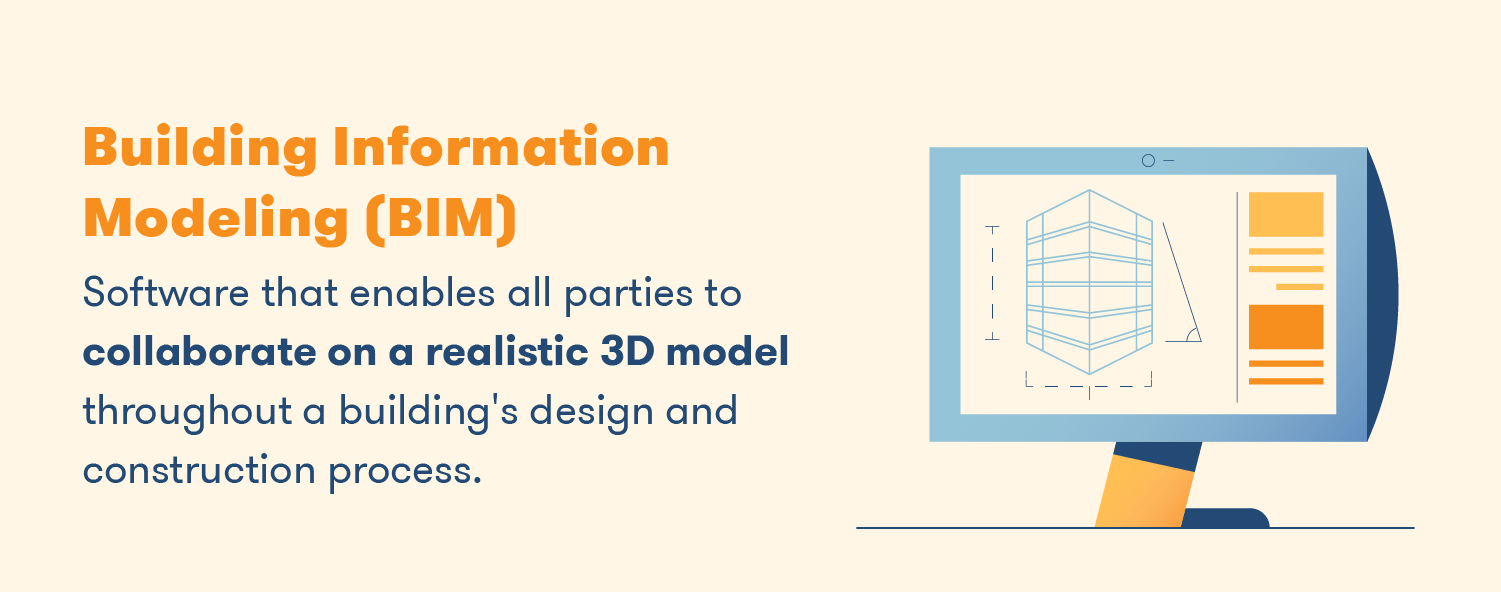
Building Information Modeling (BIM) software has revolutionized the way construction projects are planned, designed, and executed. BIM software enables architects, engineers, and construction professionals to create detailed 3D models that contain information about every aspect of a building or infrastructure project.
One of the key advantages of BIM software is its ability to improve collaboration and communication among project stakeholders. By working on a shared platform, team members can access real-time data, make informed decisions, and resolve conflicts more efficiently.
Furthermore, BIM software allows for better visualization of the project before construction begins. This helps identify potential issues early on, leading to cost savings and improved project outcomes.
Another benefit of using BIM software is the ability to simulate different scenarios and analyze the impact of design changes. This helps optimize building performance, reduce waste, and enhance sustainability.
In addition to design and visualization capabilities, BIM software also facilitates project management tasks such as scheduling, cost estimation, and clash detection. This integrated approach streamlines workflows and improves overall project efficiency.
Overall, BIM software has become an indispensable tool in the construction industry, offering numerous benefits that lead to better-designed buildings, reduced costs, and increased productivity. As technology continues to evolve, BIM software will play an increasingly important role in shaping the future of construction projects worldwide.
9 Essential Tips for Mastering BIM Software
- Understand the basics of BIM software before diving into complex features.
- Choose a BIM software that aligns with your project requirements and team expertise.
- Invest time in training to maximize the efficiency of using BIM software.
- Collaborate with team members by sharing BIM models for seamless workflow.
- Regularly update your BIM software to access new features and improvements.
- Organize project files and folders systematically within the BIM software.
- Utilize 3D visualization tools in BIM software for better project understanding.
- Ensure data accuracy when inputting information into the BIM model.
- Stay updated with industry trends and best practices related to BIM software usage.
Understand the basics of BIM software before diving into complex features.
To make the most of BIM software, it is essential to first grasp the fundamentals before delving into its more intricate features. Understanding the basics of BIM software lays a solid foundation for users, enabling them to navigate the tool effectively and efficiently. By mastering the core concepts and functionalities, individuals can build confidence in their abilities and gradually explore the advanced capabilities that BIM software has to offer. This approach ensures a smoother learning curve and enhances the overall user experience, leading to better utilization of this powerful technology in construction projects.
Choose a BIM software that aligns with your project requirements and team expertise.
When selecting a BIM software for your project, it is crucial to choose one that aligns closely with your specific project requirements and the expertise of your team members. By opting for a BIM software that matches the needs and capabilities of your team, you can ensure smoother implementation, better collaboration, and more efficient project outcomes. Investing time in evaluating different BIM software options based on these factors can lead to a more successful project delivery and maximize the benefits that BIM technology has to offer.
Invest time in training to maximize the efficiency of using BIM software.
To maximize the efficiency of using BIM software, it is crucial to invest time in training. By dedicating time to learning the ins and outs of BIM software, users can unlock its full potential and take advantage of its advanced features. Training not only enhances proficiency in using the software but also boosts productivity, accuracy, and collaboration within project teams. With proper training, users can streamline workflows, avoid costly errors, and ultimately achieve better results in their construction projects.
Collaborate with team members by sharing BIM models for seamless workflow.
Collaborating with team members by sharing BIM models is a crucial tip to ensure a seamless workflow in construction projects. By working on a shared platform, project stakeholders can access up-to-date information, make informed decisions, and communicate effectively throughout the project lifecycle. Sharing BIM models promotes transparency, enhances coordination, and reduces the likelihood of errors or misunderstandings. This collaborative approach not only improves project efficiency but also fosters a sense of teamwork and unity among team members, ultimately leading to successful project outcomes.
Regularly update your BIM software to access new features and improvements.
To maximize the benefits of Building Information Modeling (BIM) software, it is essential to regularly update your software to access new features and improvements. Keeping your BIM software up-to-date ensures that you have access to the latest tools and functionalities that can enhance your workflow, improve collaboration, and streamline project management. By staying current with software updates, you can take advantage of advancements in technology to optimize your use of BIM software and stay ahead in the rapidly evolving construction industry.
Organize project files and folders systematically within the BIM software.
To maximize efficiency and streamline workflow processes in BIM software, it is crucial to organize project files and folders systematically. By structuring data in a logical and consistent manner, users can easily locate, access, and manage project information. This organized approach not only enhances collaboration among team members but also ensures that critical data is stored securely and can be retrieved quickly when needed. Implementing a systematic file organization system within BIM software can greatly improve project management capabilities and contribute to the overall success of construction projects.
Utilize 3D visualization tools in BIM software for better project understanding.
By utilizing 3D visualization tools in BIM software, construction professionals can gain a deeper understanding of their projects. These tools allow for the creation of detailed and realistic 3D models that provide a clear visual representation of the building or infrastructure being constructed. By immersing themselves in these virtual environments, project stakeholders can better grasp the spatial relationships, design elements, and potential challenges of the project. This enhanced visualization leads to improved decision-making, more effective communication among team members, and ultimately, better project outcomes.
Ensure data accuracy when inputting information into the BIM model.
To maximize the effectiveness of BIM software, it is crucial to ensure data accuracy when inputting information into the BIM model. Accurate data entry is essential for generating reliable 3D models and extracting valuable insights for construction projects. By maintaining precision in inputting information, errors and discrepancies can be minimized, leading to more efficient collaboration among project stakeholders and better decision-making throughout the project lifecycle. Prioritizing data accuracy in the BIM model not only enhances project outcomes but also contributes to overall project success by reducing rework and ensuring consistency in project documentation.
Stay updated with industry trends and best practices related to BIM software usage.
To maximize the benefits of BIM software, it is crucial to stay updated with industry trends and best practices related to its usage. By keeping abreast of the latest developments in BIM technology, users can leverage new features and functionalities to enhance their projects. Additionally, understanding best practices ensures that projects are executed efficiently and effectively, leading to improved outcomes. Continuous learning and staying informed about industry trends in BIM software usage are essential for professionals looking to stay competitive and deliver high-quality results in their construction projects.
Tags: bim models, bim software, clash detection, collaboration, communication, construction projects, cost estimation, design changes, efficiency, fundamentals, project management, scheduling, simulation, team expertise, training, visualization, workflow