
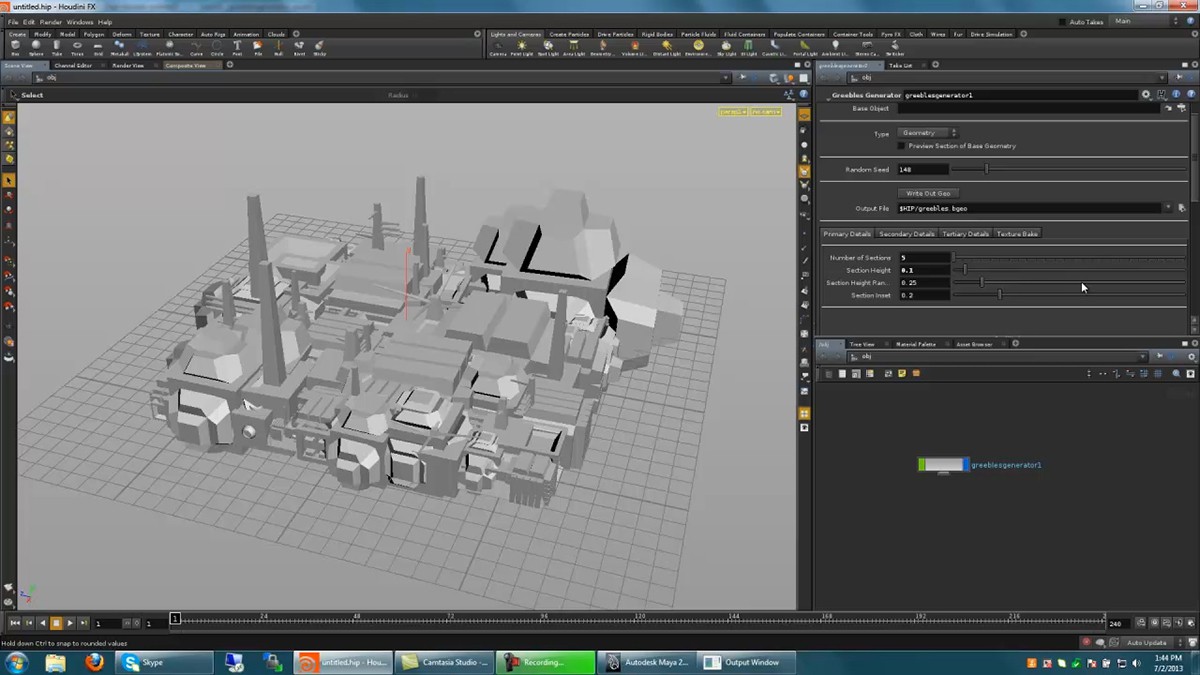
The Magic of Houdini Software: Unleashing Creativity in Visual Effects
Houdini is a powerful software tool that has revolutionized the world of visual effects and animation. Developed by SideFX, Houdini offers a unique and flexible approach to creating stunning visuals for film, television, video games, and more.
One of the key features that sets Houdini apart from other software is its node-based workflow. This allows artists to create complex effects and animations by connecting nodes in a visual network. The procedural nature of Houdini enables artists to make changes at any point in the creative process, leading to greater flexibility and efficiency.
With Houdini, artists can simulate realistic physics-based effects such as fire, smoke, water, and explosions with incredible precision. The software’s advanced tools for particle systems, dynamics, and fluid simulations provide endless possibilities for creating dynamic and immersive visual experiences.
Another standout feature of Houdini is its procedural modeling capabilities. Artists can quickly generate complex 3D models using algorithms and rulesets, making it ideal for creating intricate environments, creatures, and objects.
Furthermore, Houdini’s integration with other software platforms such as Maya, Cinema 4D, and Unreal Engine makes it a versatile tool for artists working in various industries. Its compatibility with industry-standard file formats ensures seamless collaboration between different software applications.
Whether you are a seasoned VFX artist or a newcomer to the world of animation, Houdini offers a wealth of resources and tutorials to help you master its capabilities. The software’s active community provides support and inspiration for artists looking to push the boundaries of visual storytelling.
In conclusion, Houdini software continues to be at the forefront of innovation in the field of visual effects. Its powerful tools, procedural workflows, and collaborative features empower artists to unleash their creativity and bring their imaginations to life on screen.
8 Reasons Houdini Stands Out as a Leading Visual Effects Software
- Powerful node-based workflow for creating complex visual effects and animations.
- Procedural nature enables artists to make changes at any point in the creative process.
- Advanced tools for simulating realistic physics-based effects like fire, smoke, water, and explosions.
- Procedural modeling capabilities allow for quick generation of complex 3D models.
- Integration with other software platforms such as Maya, Cinema 4D, and Unreal Engine.
- Versatile tool suitable for artists working in film, television, video games, and more.
- Active community providing support and resources for mastering the software.
- Continual innovation keeps Houdini at the forefront of visual effects technology.
Challenges of Using Houdini Software: Cost, Complexity, and System Demands
- Steep learning curve for beginners due to its complex node-based workflow.
- High cost of licensing and limited affordable options for individual users.
- Requires a powerful computer system with high hardware specifications to run smoothly.
- Limited built-in assets and presets compared to other software platforms.
- Less user-friendly interface compared to some competitor software, which may impact workflow efficiency.
Powerful node-based workflow for creating complex visual effects and animations.
Houdini software’s powerful node-based workflow is a game-changer for artists and creators looking to craft intricate visual effects and animations. By allowing users to connect nodes in a visual network, Houdini provides a flexible and intuitive way to build complex effects with precision and efficiency. This unique approach enables artists to make real-time adjustments at any stage of the creative process, offering unparalleled control over the final outcome. With Houdini’s node-based system, users can seamlessly create stunning visuals that push the boundaries of imagination and storytelling in the world of animation and visual effects.
Procedural nature enables artists to make changes at any point in the creative process.
The procedural nature of Houdini software stands out as a significant advantage for artists, allowing them to make changes at any stage of the creative process. This flexibility empowers artists to experiment freely and iterate quickly without being constrained by a linear workflow. Whether refining intricate details or exploring alternative design options, the ability to modify parameters and adjust elements on the fly enhances efficiency and creativity. With Houdini’s procedural approach, artists have the freedom to adapt their vision dynamically, leading to more innovative and refined final results.
Advanced tools for simulating realistic physics-based effects like fire, smoke, water, and explosions.
Houdini software stands out with its advanced tools for simulating realistic physics-based effects such as fire, smoke, water, and explosions. Artists and visual effects professionals can harness the power of Houdini to create dynamic and immersive visual experiences with unparalleled precision. By utilizing these sophisticated simulation capabilities, users can bring their creative visions to life in a way that is both visually striking and true to life. The ability to accurately replicate complex natural phenomena sets Houdini apart as a leading software solution for those seeking to push the boundaries of visual storytelling and achieve stunning results in their projects.
Procedural modeling capabilities allow for quick generation of complex 3D models.
The procedural modeling capabilities of Houdini software offer a significant advantage by enabling artists to swiftly generate intricate 3D models. By utilizing algorithms and rulesets, users can efficiently create detailed environments, creatures, and objects with precision and ease. This feature not only saves time in the modeling process but also provides a flexible workflow that allows for easy modifications and iterations, making Houdini a valuable tool for artists seeking to streamline their 3D modeling workflow and bring their creative visions to life efficiently.
Integration with other software platforms such as Maya, Cinema 4D, and Unreal Engine.
One of the standout advantages of Houdini software is its seamless integration with other industry-leading platforms like Maya, Cinema 4D, and Unreal Engine. This interoperability allows artists and designers to leverage the strengths of each software tool, enhancing their workflow efficiency and creative output. By facilitating easy data exchange and collaboration between different applications, Houdini enables users to work across multiple platforms without constraints, ensuring a smooth and streamlined production process for creating visually stunning animations, effects, and environments.
Versatile tool suitable for artists working in film, television, video games, and more.
Houdini software stands out as a versatile tool that caters to artists across various industries, including film, television, video games, and beyond. Its adaptability and robust features make it an ideal choice for professionals seeking to create stunning visual effects and animations in diverse media formats. Whether crafting intricate scenes for a blockbuster film, designing captivating visuals for a TV series, or developing immersive environments for a video game, Houdini’s flexibility and capabilities empower artists to bring their creative visions to life with precision and efficiency.
Active community providing support and resources for mastering the software.
One of the standout advantages of Houdini software is its vibrant and engaged community that offers invaluable support and resources for mastering the software. Whether you are a beginner seeking guidance or an experienced user looking to expand your skills, the active Houdini community provides a welcoming space for artists to connect, share knowledge, and collaborate. From online forums and tutorials to workshops and user-generated content, this supportive network plays a crucial role in empowering users to explore the full potential of Houdini and push the boundaries of their creative endeavors.
Continual innovation keeps Houdini at the forefront of visual effects technology.
Continual innovation is a defining pro of Houdini software, positioning it at the forefront of visual effects technology. The dedicated team behind Houdini, SideFX, consistently pushes the boundaries of what is possible in the realm of visual effects by introducing cutting-edge features and tools. This commitment to innovation ensures that Houdini remains a leader in the industry, empowering artists with the latest advancements to create stunning and immersive visual experiences. By staying ahead of the curve and embracing new technologies, Houdini sets itself apart as a dynamic and forward-thinking software that inspires creativity and excellence in the world of visual effects.
Steep learning curve for beginners due to its complex node-based workflow.
One significant drawback of Houdini software is its steep learning curve, particularly for beginners. This challenge stems from the software’s complex node-based workflow, which can be overwhelming for those new to the program. The intricate network of nodes and procedural approach to creating visual effects may require users to invest a considerable amount of time and effort in understanding the fundamentals of Houdini. As a result, beginners may find it daunting to navigate through the software and grasp its full potential, leading to a longer learning curve compared to other more user-friendly tools in the industry.
High cost of licensing and limited affordable options for individual users.
One significant drawback of Houdini software is the high cost of licensing, which poses a barrier for individual users seeking affordable options. The pricing structure of Houdini can be prohibitive for independent artists, freelancers, and hobbyists who may not have the budget to invest in expensive software licenses. This limitation restricts access to the advanced features and capabilities of Houdini, making it challenging for aspiring artists to explore and harness its full potential without incurring substantial financial expenses. The lack of more affordable licensing options for individual users hinders inclusivity and accessibility within the creative community, potentially limiting the diversity of voices and perspectives in the field of visual effects and animation.
Requires a powerful computer system with high hardware specifications to run smoothly.
One notable drawback of Houdini software is its demanding system requirements, necessitating a powerful computer setup with high hardware specifications to ensure smooth performance. This can pose a challenge for users who may not have access to top-of-the-line hardware or who are working on older machines. The need for robust computing resources can potentially limit the accessibility of Houdini to a wider audience and may require additional investment in upgrading hardware to fully leverage the software’s capabilities. Users should carefully consider their computer system’s capabilities before diving into using Houdini to avoid potential performance issues and maximize their creative workflow efficiency.
Limited built-in assets and presets compared to other software platforms.
One potential drawback of Houdini software is its limited built-in assets and presets when compared to other software platforms. While Houdini offers powerful tools for creating custom effects and animations, users may find themselves spending more time building assets from scratch or searching for third-party resources to achieve their desired results. This can be a challenge for artists looking to streamline their workflow or those who rely heavily on pre-built assets for efficiency. However, with Houdini’s robust procedural capabilities and active community support, users have the opportunity to create unique and customized visuals that cater to their specific creative vision.
Less user-friendly interface compared to some competitor software, which may impact workflow efficiency.
One notable drawback of Houdini software is its less user-friendly interface compared to some competitor software. The complex node-based workflow and intricate tools in Houdini can be overwhelming for new users and may require a steep learning curve. This lack of intuitiveness could potentially impact workflow efficiency, as artists may spend more time navigating the interface and learning the software rather than focusing on their creative process. While Houdini’s powerful features are undeniable, its interface design could be a barrier for artists seeking a more streamlined and user-friendly experience in their visual effects work.
Tags: 3d models, advanced tools, animations, artists, changes, creative process, fire, node-based workflow, physics-based effects, procedural modeling capabilities, procedural nature, smoke, visual effects, water