
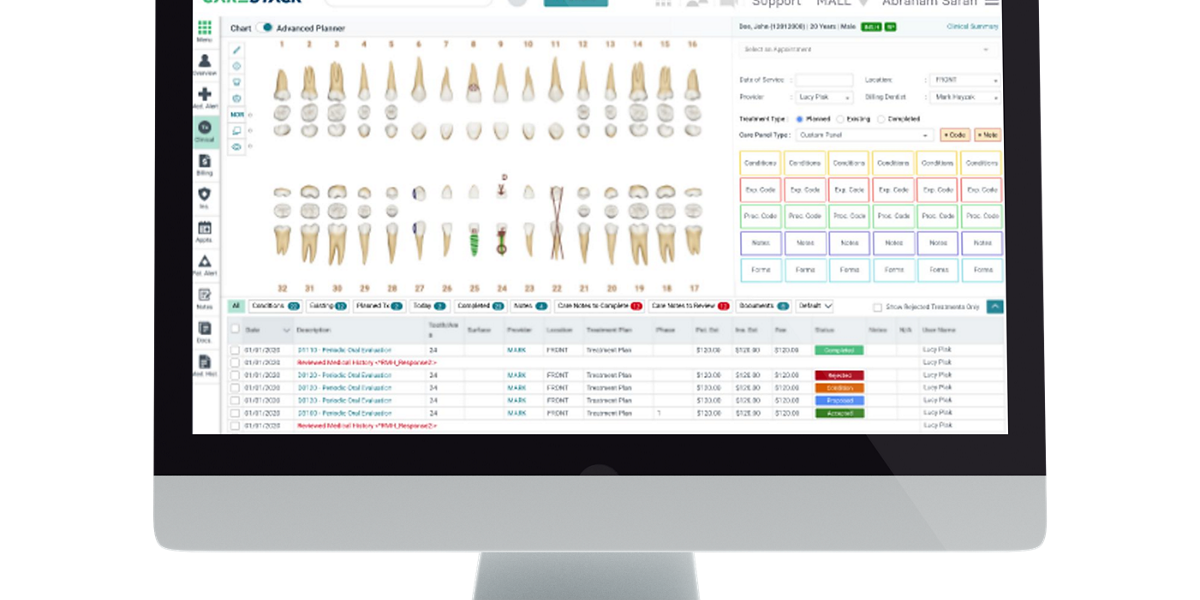
The Benefits of Dental Software for Modern Practices
In today’s digital age, dental software has revolutionized the way dental practices operate and provide care to their patients. From appointment scheduling to patient records management, dental software offers a wide range of benefits that streamline processes and improve efficiency.
Appointment Scheduling Made Easy
Gone are the days of manual appointment books and phone calls. Dental software allows patients to schedule appointments online, reducing the administrative burden on staff and providing convenience for patients. Automated reminders can also help reduce no-shows and keep schedules running smoothly.
Efficient Patient Records Management
With dental software, patient records are digitized and easily accessible. This not only saves space by eliminating paper files but also improves accuracy and security. Dentists can quickly retrieve patient information, track treatment history, and securely store sensitive data in compliance with regulations.
Enhanced Treatment Planning and Imaging
Dental software often includes features for treatment planning and imaging that aid in diagnosis and treatment decisions. Digital imaging tools allow dentists to capture high-quality images, analyze results more effectively, and communicate treatment plans with patients using visual aids.
Improved Communication and Collaboration
Collaboration among dental team members is essential for providing comprehensive care. Dental software facilitates communication by enabling secure messaging, sharing patient information among staff members, and coordinating treatment plans seamlessly. This leads to better coordination of care and improved patient outcomes.
Streamlined Billing and Insurance Processing
Managing billing and insurance claims can be time-consuming tasks for dental practices. Dental software simplifies these processes by automating billing tasks, verifying insurance coverage, submitting claims electronically, and tracking payments efficiently. This helps practices optimize revenue cycles and reduce errors.
Conclusion
Overall, dental software offers numerous advantages for modern practices looking to enhance operational efficiency, improve patient care, and stay competitive in a rapidly evolving healthcare landscape. By leveraging the capabilities of dental software solutions, practices can streamline workflows, increase productivity, enhance communication, and ultimately deliver better outcomes for their patients.
9 Essential Tips for Choosing and Utilizing Dental Software Effectively
- Choose a dental software that is user-friendly and easy to navigate.
- Ensure the software is HIPAA-compliant to protect patient information.
- Look for features like appointment scheduling, billing, and patient records management.
- Regularly update the software to ensure optimal performance and security.
- Train your staff on how to use the dental software efficiently.
- Utilize reporting tools in the software to track key metrics and improve practice efficiency.
- Integrate the dental software with other systems for seamless data flow.
- Consider cloud-based dental software for flexibility and accessibility.
- Seek customer support from the software provider for any technical issues or questions.
Choose a dental software that is user-friendly and easy to navigate.
When selecting a dental software for your practice, it is crucial to prioritize user-friendliness and ease of navigation. Opting for a dental software that is intuitive and straightforward to use can greatly enhance efficiency and productivity within your practice. A user-friendly interface not only reduces the learning curve for staff members but also promotes smoother workflows and better patient care. By choosing dental software that prioritizes usability, you can ensure seamless integration into your daily operations and maximize the benefits of digital technology in your practice.
Ensure the software is HIPAA-compliant to protect patient information.
When implementing dental software in your practice, it is crucial to ensure that the software is HIPAA-compliant to safeguard patient information. HIPAA regulations establish standards for the protection and security of sensitive patient data, including electronic health records. By choosing HIPAA-compliant dental software, you can trust that patient information is being handled securely and in compliance with privacy laws, maintaining confidentiality and building trust with your patients. Prioritizing HIPAA compliance in your software selection process is essential for upholding the integrity of your practice and safeguarding the privacy of those you serve.
Look for features like appointment scheduling, billing, and patient records management.
When considering dental software options, it is essential to prioritize features such as appointment scheduling, billing, and patient records management. These core functionalities are crucial for the smooth operation of a dental practice. Appointment scheduling tools help optimize the booking process, reduce no-shows, and enhance patient experience. Efficient billing features streamline financial processes and ensure accurate invoicing. Robust patient records management capabilities enable easy access to vital information, improve treatment planning, and enhance overall patient care quality. By selecting dental software that offers comprehensive features in these areas, practices can effectively streamline operations and deliver exceptional service to their patients.
Regularly update the software to ensure optimal performance and security.
It is crucial for dental practices to regularly update their dental software to maintain optimal performance and ensure security. Software updates often include bug fixes, performance enhancements, and security patches that help protect patient data and prevent potential vulnerabilities. By staying current with software updates, dental practices can benefit from improved functionality, enhanced reliability, and strengthened defenses against cyber threats. Keeping the software up-to-date is a proactive measure that helps practices operate smoothly, safeguard sensitive information, and deliver high-quality care to patients.
Train your staff on how to use the dental software efficiently.
To maximize the benefits of dental software, it is crucial to invest time and resources in training your staff on how to use the software efficiently. Proper training ensures that your team members are proficient in navigating the software, entering and retrieving patient information accurately, scheduling appointments effectively, and utilizing all available features to streamline workflows. By empowering your staff with the necessary skills and knowledge, you can optimize the use of dental software in your practice, improve operational efficiency, and enhance the overall patient experience.
Utilize reporting tools in the software to track key metrics and improve practice efficiency.
Dental practices can significantly benefit from utilizing reporting tools available in dental software to track key metrics and enhance practice efficiency. By leveraging these tools, practitioners can gain valuable insights into various aspects of their operations, such as patient flow, appointment scheduling, treatment outcomes, and revenue generation. Analyzing these metrics can help identify areas for improvement, optimize workflows, and make informed decisions to streamline processes and enhance overall practice performance. Through regular monitoring and analysis of key data points, dental practices can proactively address challenges, implement best practices, and ultimately deliver better care to their patients while achieving greater operational efficiency.
Integrate the dental software with other systems for seamless data flow.
Integrating dental software with other systems is a valuable tip to ensure seamless data flow within a dental practice. By connecting the dental software with systems such as electronic health records (EHR), imaging devices, or billing platforms, practitioners can streamline workflows and improve efficiency. This integration enables real-time data sharing, eliminates manual data entry errors, and enhances communication among different departments. Ultimately, integrating dental software with other systems promotes better coordination of care, enhances patient experience, and maximizes the benefits of technology in modern dental practices.
Consider cloud-based dental software for flexibility and accessibility.
When exploring dental software options, it is crucial to consider the benefits of cloud-based solutions for enhanced flexibility and accessibility. Cloud-based dental software allows practitioners to access patient records, appointment schedules, and other essential data from any location with an internet connection. This flexibility enables dental professionals to work remotely, collaborate with team members seamlessly, and provide efficient care to patients without being tied to a specific physical location. Additionally, cloud-based dental software often offers automatic updates, data backups, and enhanced security measures, ensuring that sensitive information is protected and practices can operate smoothly in today’s dynamic healthcare environment.
Seek customer support from the software provider for any technical issues or questions.
When utilizing dental software, it is crucial to seek customer support from the software provider for any technical issues or questions that may arise. Customer support plays a vital role in ensuring the smooth operation of the software, resolving technical challenges promptly, and maximizing the benefits of the software for your dental practice. By reaching out to the software provider’s support team, you can receive expert assistance, guidance, and solutions tailored to your specific needs, ultimately helping you optimize your use of dental software and enhance efficiency in your practice.
Tags: appointment scheduling, billing, collaboration, communication, hipaa-compliant, imaging, insurance processing, user-friendly